

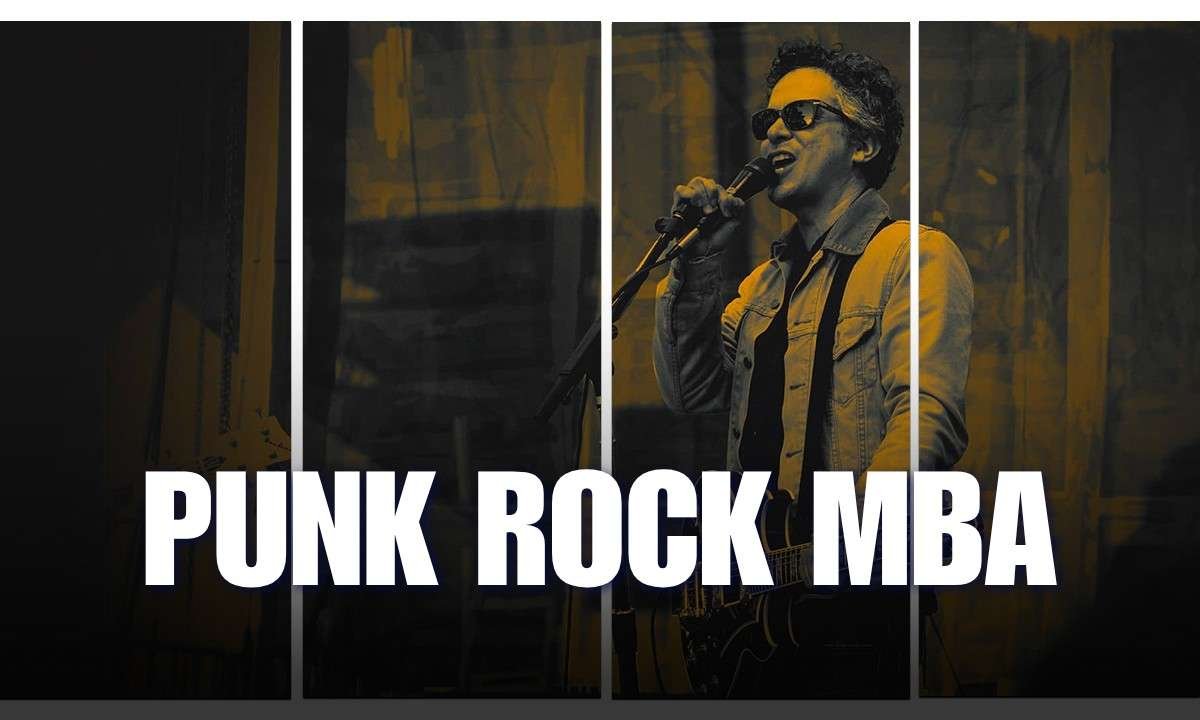
I follow education and creator trends closely. The Punk Rock MBA is one of the more unusual cases I’ve tracked. It blends music commentary with business ideas. It reached a large audience. It also sparked strong debate. I’ll walk you through what it was, what it taught, and what it means for anyone trying to build a creative career today.
What was a Punk Rock MBA?
Punk Rock MBA began as a website around 2015. The brand launched a YouTube channel in 2017. Finn McKenty created the content. He analyzed punk, hardcore, and metal scenes. He also shared business and career advice for DIY musicians. The channel mixed research, interviews, playlists, and marketing tips.
The project drew attention fast. Fans liked the deep dives. Critics questioned the tone. In 2024, McKenty said he wasn’t personally into the music and had built the channel largely as a business project. He then left the channel. That admission caused a big backlash. Some viewers felt betrayed. Others kept valuing the lessons the brand offered.
Core strategies Punk Rock MBA taught (practical and repeatable)
I find these eight points useful for creators and small teams.
- Build a clear brand story. Make your values visible. Keep visuals and messaging consistent.
- Work with a DIY, bootstrap mindset. Start small. Use community support. Invest time over money.
- Make culture-first content. Emotion and context matter more than dry how-to guides.
- Niche up smartly. Find a focused audience and add adjacent topics that broaden reach.
- Show up consistently. Momentum beats one perfect viral hit.
- Use storytelling to teach. Mix history, case studies, and practical advice.
- Network and collaborate. Small scenes lift each other. Partnerships scale reach.
- Be prepared for critique. Authenticity is judged harshly in close communities.
These tactics form a doable playbook for creators who want to blend art and commerce without losing identity.
Who benefited and who pushed back
Fans and learners:
- DIY bands and promoters found concrete tips on marketing and touring.
- Independent creators liked the mix of music culture and career advice.
- People who wanted a DIY alternative to formal business schools found the format helpful.
Critics and concerned voices:
- Some felt the brand commodified punk aesthetics for clicks.
- Others were upset when the creator admitted his primary motive was financial.
- A portion of the community saw it as anti-authentic and too focused on attention metrics.
That split shows a core tension. Punk values often prize anti-corporate ideals. Business advice can feel like a sell-out. That tension is part of the legacy.
Quick comparison: Punk Rock MBA vs a formal MBA
| Feature | Punk Rock MBA | Traditional MBA |
| Delivery | Online content, videos, podcasts | Structured courses, credits |
| Cost | Low to free | High tuition (often 5-6 figures) |
| Audience | DIY artists, creators | Managers, executives, career changers |
| Focus | Culture, marketing, creator tactics | Finance, strategy, operations |
| Credential | No formal degree | Accredited diploma (MBA) |
| Best for | Creative entrepreneurship, real-world tips | Formal career pathways, corporate roles |
If you want non-traditional business education, the brand offers applied ideas. It is not a degree. It is not a substitute for accredited study. If credentials matter, check formal programs. Verify on the official site.
How creators can apply the lessons today
- Treat your art like a small business. Track metrics. Test offers.
- Build a community, not just an audience. Mutual support matters.
- Tell a consistent story across platforms. People remember narrative.
- Mix value and personality. Teach something, then relate it to lived experience.
- Keep costs low at first. Repeat before you scale.
These are core ideas I’d call a diy business school approach. They work for bands, podcasters, small labels, and indie studios.
check out our latest blog :- How to get a PhD in Data Science in the USA
Words on authenticity and critique
The biggest debate around Punk Rock MBA was authenticity. Fans expected a genuine scene insider. The creator framed the work as research and business. That gap changed how people received the content.
My take: transparency matters. If you teach culture, you owe the audience clarity about your stake and your perspective. If you’re building a creative brand, be honest about your goals. That honesty builds trust and avoids bitter blowback later.
Where Punk Rock MBA left a mark
- It helped many musicians learn basic marketing and revenue thinking.
- It pushed a conversation about whether creative scenes can merge with business lessons.
- It forced communities to re-examine definitions of “selling out.”
- It left a body of content — interviews and playlists — that still sparks debate and learning.
The brand is a case study in creative entrepreneurship informed by marketing practice. If you study creator economies, the story is worth reading.
Quick glossary (useful phrases)
- Punk Rock MBA — the brand and channel by Finn McKenty.
- DIY business school — learning-by-doing approach for artists.
- Non-traditional business education — business lessons outside accredited programs.
- Alternative MBA programs — low-cost, short-format business training (not the same as Punk Rock MBA).
- Business for artists — practical tools for monetizing creative work.
Final thoughts
The Punk Rock MBA was no classroom degree. It was a content brand blending culture and commerce. It taught real tactics. It also raised real questions about intent and authenticity. If you’re a creator, you can use the lessons in your own way. Keep your values clear. Build community first. Test ideas fast.